Two self-contained flats can be physically separate while the legal title is still held under one freehold. That distinction can become crucial when someone tries to remortgage the whole building, release equity from one flat, or sell the units separately. A lender needs to understand exactly what it is securing—not just how many front doors appear in the building.
There is no universal rule that a two-flat property is unmortgageable. Equally, two kitchens and two council-tax accounts do not automatically create two separate mortgageable properties. The answer depends on ownership, registered titles, leases, permissions, valuation, how the flats are used and the requirements of the lender considering the transaction.
This guide focuses on England and Wales. It offers general information, not legal, tax or personalised mortgage advice; Scottish property law and title arrangements differ.
First understand the difference: a building, a freehold title and a leasehold flat
Imagine a converted house containing Flat A and Flat B. The owner has a registered freehold title for the entire building. Each flat may be occupied independently, and each may have its own utility accounts, but there may be no long lease for either unit. The owner’s asset is legally the freehold of the building—not automatically two separately registered leasehold interests.
By contrast, the freehold of a block may sit alongside separate registered long leasehold titles for individual flats. The freehold owner and leaseholders could be different people, or ownership could overlap. A lender assessing a single flat will examine the specific interest to be charged and any relevant freehold rights, whereas a lender funding the entire investment may assess the block as one asset.
The starting point is to obtain the current freehold and any leasehold title registers and plans, and have a conveyancer explain what actually exists. HM Land Registry explains the information in a title register and plan. A marketing description or agent’s floorplan is not a substitute.
Can a lender mortgage the whole building as one property?
Potentially, yes. Some investment and specialist lenders consider a block containing multiple self-contained residential units. Others lend only against individual flats or particular configurations. The lender may need evidence of lawful use, rental income, occupancy, fire and building safety, insurance, access and the valuation basis.
For a property held purely as an investment, the lender may use a specialist multi-unit freehold block or property-investment assessment rather than treating the two flats as one standard single-dwelling buy-to-let. The financing route can also depend on whether the borrower is an individual or company and whether either unit is occupied by the borrower or family.
The point is not to assume that two separate rents automatically produce two ordinary buy-to-let mortgages. Ask which legal interest is being offered as security, what the valuer is being asked to value, and whether the lender accepts the actual title and occupancy configuration.
What if you want a separate mortgage for each flat?
That can be more complex. A lender asked to take a mortgage over one individual flat will generally need a suitable, legally identifiable security interest, usually an acceptable leasehold title in a converted building. Creating new leases may be possible, but it is a legal restructuring exercise rather than a routine mortgage formality.
HM Land Registry’s Practice Guide 25 (updated 1 June 2026) explains the registration of new leases and when lender or superior-landlord consents can matter. For a new lease out of a registered freehold, the conveyancer has to prepare and submit the correct documents. Registration requirements depend on the transaction and term; not every lease has its own register.
Importantly, where the freehold is already mortgaged, an existing lender’s rights and any title restrictions may affect whether a lease can be granted and registered safely. Do not assume that creating leases after a mortgage application—or promising to create them on completion—will meet a new lender’s security requirements.
Five title and lender questions that can stop a straightforward refinance
- What is being charged? Is the lender advancing against the whole freehold, a newly created leasehold flat, an existing leasehold title, or a combination? Different security arrangements must not be treated as interchangeable.
- Are any leases acceptable? A proposed lease must be reviewed for its term, access, support, services, repairs, insurance, rights and covenants; a signed document alone does not ensure lender acceptability.
- Who holds the freehold and each lease? Ownership by a third party, another family member, a company or the same economic owner can create different legal and lender issues. The solicitor must examine the actual ownership structure.
- Does an existing mortgage or restriction require consent? The freehold may already be charged, and a restriction can prevent registration without the appropriate evidence. An outstanding charge cannot simply be ignored.
- Will valuation, use and building paperwork support the proposed loan? A valuer may regard the property as a single block, a converted building, two distinct dwellings or something requiring further investigation. Planning and building documentation can matter.
Why the lease terms—not just the lease length—matter
Buyers sometimes focus solely on whether the proposed lease has 99, 125 or 999 years remaining. The number of years is important, but a lender and conveyancer may also scrutinise ground rent terms, repairing obligations, service-charge arrangements, rights of access, rights of support and how the building is insured. A flat without enforceable practical arrangements for shared parts can create real difficulties.
The UK Finance Mortgage Lenders’ Handbook points to section 5.14 for England and Wales leasehold requirements, with individual lenders specifying matters such as minimum lease terms and ground-rent conditions. Requirements are lender-specific and can change. A solicitor needs to check the relevant lender’s current instructions, not rely on a generic template.
Even where a legal structure is technically possible, the proposed lender may not accept it. That is why it can be costly to spend money drafting or granting leases before checking whether the intended financing route supports that structure.
Planning permission, lawful use and safety documentation
A property that has been physically converted into two flats needs more than a floorplan to establish its position. Evidence of the permitted use, any relevant planning permissions or lawful-development certificates, building-control records, access arrangements and applicable fire-safety responsibilities may be relevant to the lender’s and solicitor’s enquiries.
Do not confuse council-tax billing with proof that every planning, title and building-control requirement has been satisfied. Likewise, retrospective regularisation should not be assumed available or quick. The necessary investigations depend on the building’s actual history, location and use.
This is especially important when a buyer plans to renovate, convert or let the units, or when a lender is asked to release money against a future value. The property, permissions and lender security all have to work together.
Illustrative example: two flats, one freehold, a refinancing deadline
Suppose an investor owns a freehold building with two long-standing self-contained flats and wants to refinance it to repay an existing facility. The investor expects to obtain two individual buy-to-let mortgages because there are two monthly rental streams. The solicitor, however, finds only one freehold title and no separate registered leases.
That does not automatically mean the refinance is impossible. It means the proposed individual-flat mortgage structure has not yet been established. The practical alternatives might include a lender willing to consider the whole freehold block, a different lender or security structure, or a legally reviewed plan to create suitable leases with any necessary consents. Whether any option is available depends on the real facts.
If the existing loan matures soon, late discovery of title issues can be expensive. Extending current borrowing, specialist short-term finance or a sale might sometimes be considered, but each has its own costs, conditions and risks. Do not use a short-term loan without a credible, evidenced repayment plan, allowing for valuation changes, registration work and delays.
This example is hypothetical. It is not a TLA client case and does not imply that any lender would accept the property or that finance would be approved.
A more useful checklist before you apply
- Obtain the freehold title register and plan and identify every existing leasehold title, charge and restriction.
- Have a suitable property solicitor confirm the ownership structure, the nature of any tenancies, and whether new leases or consents are necessary.
- Collect existing plans, evidence of the lawful configuration, building-control or completion records where relevant, and insurance details.
- Set out the current rent and occupancy of each unit, lease terms if applicable, and the intended future use.
- Clarify whether the goal is to mortgage the entire building, finance one flat, release equity, split and sell, or repay a current loan.
- Ask a broker to assess the proposed security structure with potentially suitable lenders before committing to major legal costs.
- Allow for valuation, legal, registration, lender fees, possible refinancing delays and the consequences of missing a repayment deadline.
What should you send to a broker?
For an initial discussion, explain the location, total building layout, who owns the freehold, whether separate leases already exist, whether either flat is owner-occupied, the current outstanding borrowing, approximate property value, rents and the objective of the refinance. Do not send sensitive title documents through an unverified public channel; arrange a suitable secure route with your adviser when needed.
At TLA Finance, our team can consider the property-finance question and discuss suitable next steps subject to lender and legal assessment. Start with our buy-to-let and limited-company mortgage overview, or, where the asset is an investment block or the proposed security is more complex, our commercial property finance overview. You can also contact TLA Finance to discuss the title and finance objectives.
Important: A lender may decline the property or the proposed legal structure. There is no guarantee that separate mortgages, a lease restructuring or refinance can be completed by a particular date. Your property may be repossessed if you do not keep up repayments on a mortgage or other borrowing secured against it. The regulatory treatment of borrowing depends on the borrower, use, occupancy and legal structure; not every investment-property facility is regulated by the FCA.
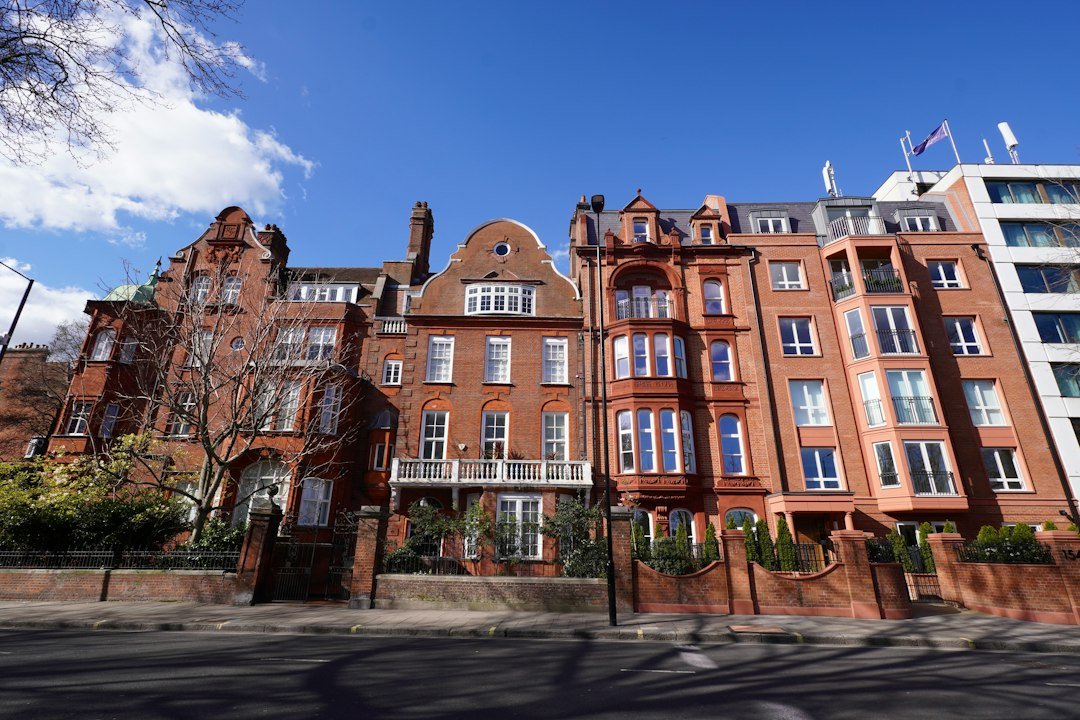
General educational information checked 12 November 2026. Title-registration guidance cited below relates to England and Wales; lender instructions, tax and legal advice must be checked for the actual transaction. Photograph: Brett Wharton / Unsplash, illustrative and not a case property.
Official sources and further reading
HM Land Registry: title registers and plans; HM Land Registry: Practice Guide 25 on registering leases; HM Land Registry: Practice Guide 64 on prescribed clauses leases; UK Finance: lender-specific leasehold requirements; FCA PERG 4: mortgage-regulation perimeter.