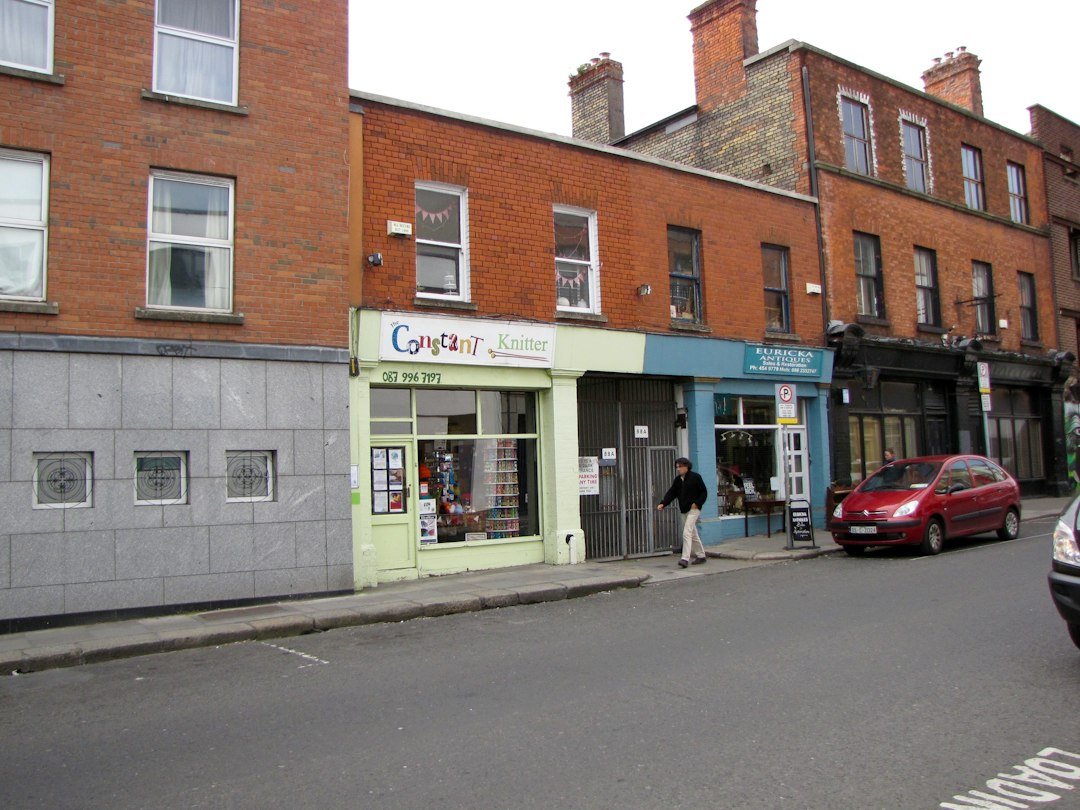
Buying a shop with a flat above can mean acquiring two different types of property in one transaction: a commercial unit and a residential dwelling. That can create a useful investment, but the financing questions are not the same as for an ordinary buy-to-let flat or a standalone shop. Before making an offer, establish exactly what you are buying and how each part will be used.
1. How will the shop and flat be occupied?
Start with the practical facts. Is the commercial unit occupied by a tenant, vacant, or intended for your own business? Is the flat let, empty or somewhere you or a family member will live? Does the flat have its own entrance and essential services? The answers influence the type of finance to investigate and what a lender may need to assess.
If the borrower or a related person intends to live in the residential accommodation, mortgage regulation must be assessed carefully; a mixed-use building is not automatically an unregulated commercial mortgage. The FCA’s guidance explains that certain loans secured on mixed-use property may fall within the regulated mortgage perimeter. An adviser should establish the actual occupation and ownership before choosing a lender.
2. Examine both sets of tenancies
A commercial lease and a residential tenancy are different documents with different implications. Ask for the shop lease, rent schedule, break clauses and details of any arrears, rent concessions or outstanding disputes. For the flat, establish whether it is let, the actual rental income, and what tenancy arrangements apply. The property agent and solicitor can help confirm the position.
A lender considering an investment property may assess the quality and sustainability of income alongside the security. As an example of how criteria can differ, Yorkshire Building Society’s published semi-commercial lending criteria refer to rental-income tests, commercial lease arrangements and the property’s location. That is one lender’s approach, not a universal rule or a promise that any specific transaction qualifies.
3. Check the title, access, condition and valuation
Do the shop and flat sit on a single freehold title, or are there separate titles and leases? Are there clear rights of access, insurance arrangements and responsibility for repairs? Is the flat lawful residential accommodation, with appropriate planning and building-control history? These are questions for the relevant solicitor, surveyor and planning adviser to investigate, not assumptions to make from an estate-agent listing.
The condition and configuration can also affect the lender’s valuation. A vacant shop, a flat needing work or an unusual commercial use may be considered differently from a fully let property in good condition. A purchase price is not a guarantee of the mortgage valuation or the amount a lender will advance.
4. Build a realistic finance and cost picture
Before deciding how much deposit you need, establish the purchase price, available cash, proposed borrower, rental income and intended ownership structure. Some borrowers acquire in their own names, others through a company; the implications should be discussed with their accountant and solicitor. Lenders can vary in how they assess loan-to-value, income, property use and experience, so avoid relying on a headline maximum from an advertisement.
Allow for valuation and legal fees, possible refurbishment, empty periods, insurance, service costs and a contingency. If short-term bridging finance is being considered, an evidenced repayment or refinance plan is essential: an intended future remortgage is not guaranteed.
5. Do not guess the Stamp Duty Land Tax treatment
For properties in England and Northern Ireland, HMRC describes mixed-use property as containing both residential and non-residential elements; a flat connected to a shop is one example. However, the correct Stamp Duty Land Tax treatment depends on the actual transaction and property facts. Ask your conveyancing solicitor or tax adviser to confirm it rather than applying a blanket assumption or a rate taken from a social-media example.
A useful information checklist before approaching a lender
- Property address, asking price and any valuation or survey information.
- Floor plans, photographs and the separate uses of the shop and flat.
- Freehold/leasehold details, leases, tenancy agreements, passing rents and vacancies.
- Condition, proposed works, planning history and any known access issues.
- Borrower identity and structure, deposit, funding sources and the intended use of both parts.
- Desired loan term and an affordable repayment plan, including an exit strategy if bridging is proposed.
Having this information ready makes an initial conversation more productive and helps an adviser identify which specialist lenders might be relevant. See TLA Finance’s semi-commercial mortgage guidance and commercial finance overview, or contact our team with the details of a property you are considering.
Important: This is general information, not a mortgage recommendation, tax opinion or legal advice. Lending depends on property, borrower, affordability, security and lender assessment. Property used as security may be at risk if repayments are not maintained. TLA Finance is a broker, not a lender.
Sources checked 10 October 2026: HMRC, non-residential and mixed property SDLT guidance; FCA Handbook PERG 4, mortgage regulatory perimeter; Yorkshire Building Society, semi-commercial criteria. Criteria and rules may change. Prepared for TLA Finance with AI assistance on 10 October 2026.