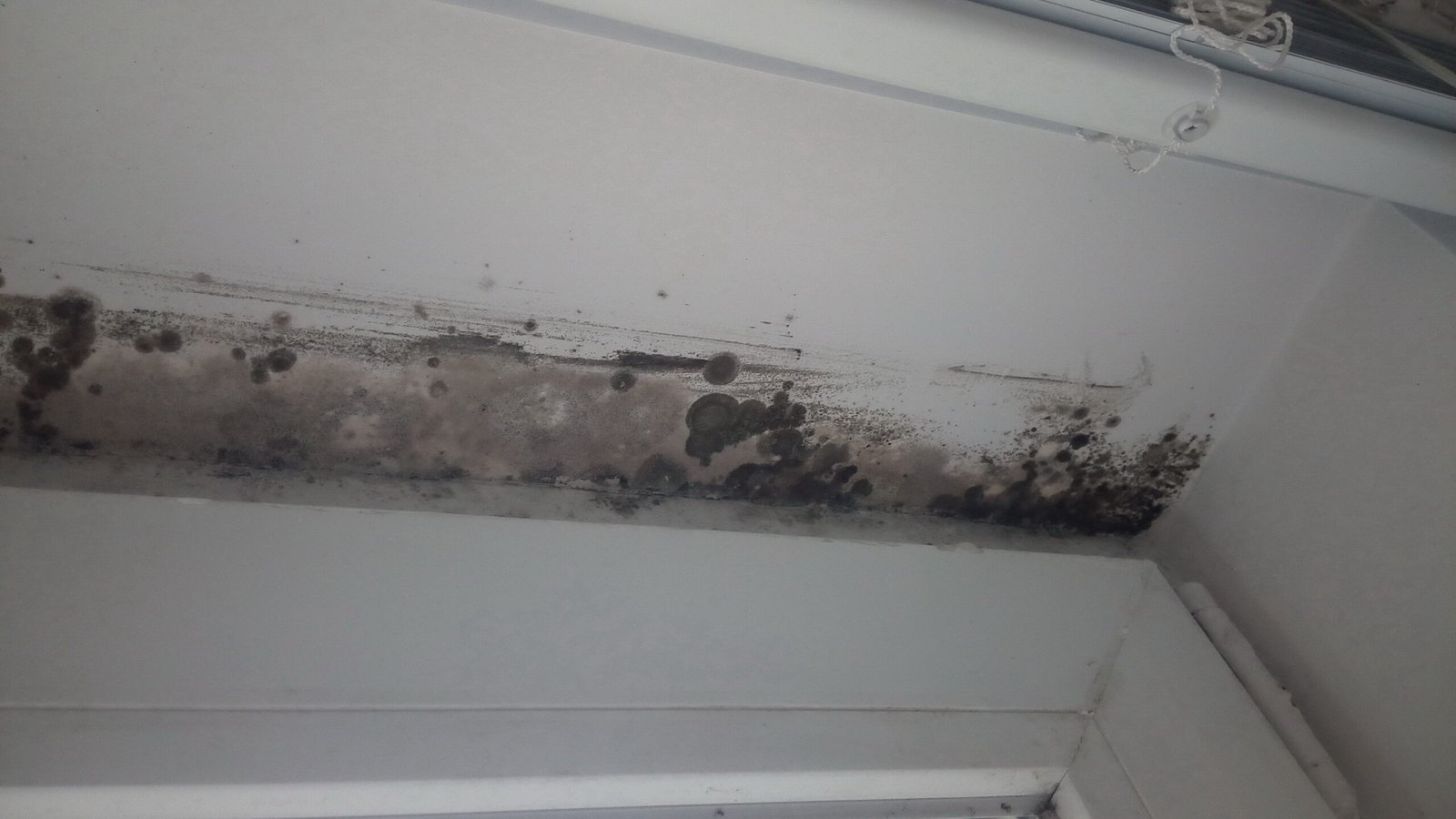
A tenant reports mould in a bedroom. You arrange a clean and repaint, but the patches return after the first cold spell. Before paying for the same work again, find out where the moisture is coming from and what needs to change. The answer could be a plumbing leak, rainwater getting through the building, condensation on a cold surface, or a combination of causes.
This guide is for landlords, managing agents and buy-to-let buyers in England. It explains how to respond to a report, what to ask a surveyor to investigate and when an inspection can help you make a purchase or refurbishment decision.
What to do when a tenant reports damp or mould
- Acknowledge the report promptly. Ask which rooms are affected, when it started, whether it gets worse after rain or during colder weather, and whether there is an active leak. Ask about any concerns for occupants and explain when they can expect an update.
- Arrange urgent action where needed. If there is an active leak, widespread mould or an immediate safety concern, arrange the appropriate response while you investigate the cause. Government guidance says landlords should act promptly without waiting for medical evidence.
- Record what has happened. Keep the date of the report, locations, available photos, previous repair details and agreed access arrangements. A timeline helps the surveyor see whether the issue has persisted, moved or returned after works.
- Investigate the cause and follow up. Arrange the right inspection or repair and tell the tenant what will happen next. Government guidance recommends checking the home at least six weeks after remedial work to see whether the problem has returned. Act promptly on any reports made in the meantime.
Read the government guidance on damp and mould in rented homes in England.
What a damp and mould specialist looks for
The appearance and location of a patch give the surveyor a starting point. A patch below a bathroom may warrant plumbing checks. Damp that worsens after rain may point towards gutters, roof details or gaps around windows. Mould on cold external walls or behind furniture may be associated with condensation, ventilation or limited air movement. Similar symptoms can have different causes, and more than one cause can be present in the same room.
Depending on the brief and access, the specialist may examine the affected rooms, ventilation, accessible external features and the history of previous repairs. Readings and photographs help document the conditions on the day. A single moisture reading has limited value on its own. The surveyor interprets it alongside the building materials, visible evidence and how the problem has developed.
Which inspection should you ask for?
- Targeted damp and mould inspection. Appropriate when damp or mould persists, returns after treatment or has no obvious cause. Ask for the findings, likely causes, recommended next steps and any further investigation.
- Housing condition or disrepair inspection. Useful when several issues have been reported, such as damaged ceilings, leaks, defective windows and damp across different rooms. A room-by-room record helps you see what needs priority attention and brief the relevant trades.
- Schedule of works. Useful when you need contractors to quote against the same repair scope. Ask for work to be set out by room or building element and for any items that depend on further investigation to be clearly identified.
- Post-works inspection. Useful when a contractor reports completion or residents say a problem has returned. Give the surveyor the agreed scope and any earlier photos so they can compare the visible work with what was instructed.
What should the survey report tell you?
Look for a clear record of what was inspected, dated and labelled photographs where appropriate, the evidence behind the likely cause, and a prioritised list of actions. The report should explain any areas the surveyor could not access or verify. Where a pipe is concealed or a roof detail cannot safely be reached, the next step may be a specialist investigation before a contractor can price the work properly.
If a lender or solicitor requests a report, share their exact wording before booking. They may require a specific scope, format or qualification. For litigation, the solicitor should specify the intended use and whether expert evidence is required.
Buying a property that needs repairs?
Get the condition checked while you can still assess the price, scope and timetable. Imagine you are buying a terrace where a rear bedroom has a damp patch. Your first quote covers plastering and decoration. If the inspection indicates rainwater is entering around the roof junction, your budget may also need to cover access, external repairs and drying time. That can affect when you can finish the refurbishment and let the property.
If you are using bridging finance for a purchase and refurbishment, discuss what a longer works period would mean for your costs and repayment plan. If you plan to refinance onto a buy-to-let mortgage, check the lender’s property condition requirements before committing to the purchase.
Speak to TLA Finance about a property inspection
We have our own in-house surveying specialist to help landlords, managing agents and property buyers with damp and mould, housing disrepair, property condition and post-works inspections. The surveying team will confirm coverage, the scope of the inspection, the fee and whether it can meet your deadline before you book. Surveying instructions and fees are agreed separately from any mortgage or finance advice.
Ask TLA Finance about a damp, mould or disrepair inspection. Include the property postcode, the rooms affected, what has already been tried and any deadline. If a lender or solicitor has requested a report, mention that in your enquiry.
Featured photo: Indoor Mold by Alexander Davronov, CC BY-SA 4.0. Displayed at a resized resolution.